
Resume Templates That Don’t Look Like Everyone Else’s
In a competitive job market, looking original on paper is no longer optional—it's essential. Most resumes still look like they were built in 2010. To stand out, one must be strategic, creative, and informed by real-world expectations—not just aesthetics.
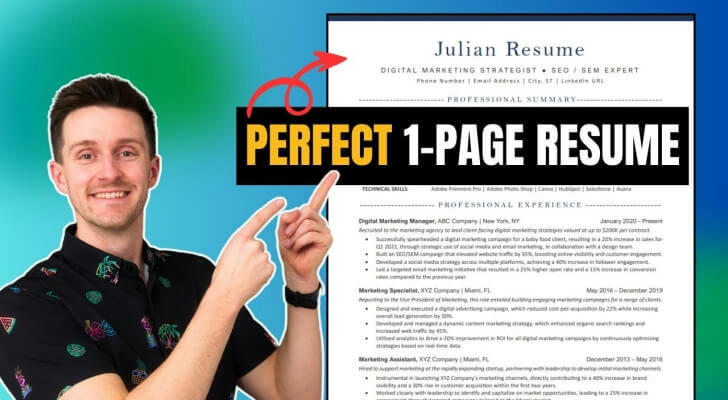
🎨 Why Most Resumes Look the Same {color:#4B9CD3}
Most job seekers use built-in Word or Google Docs templates
Many templates emphasize form over function
Lack of design knowledge leads to generic choices
According to a 2024 CareerBuilder survey, 61% of hiring managers admit to "glazing over" repetitive layouts.
This indicates not just design fatigue, but lost opportunities for candidates with strong experience.
🧠 What Hiring Managers Really Want {color:#228B22}
Clean layout
Easy-to-read formatting
Clear skills and measurable impact
A National Association of Colleges and Employers (NACE) report in 2023 shows that clarity and structure are more valued than colors or icons:
| Resume Feature | % Managers Who Prioritize |
|---|---|
| Clear work experience layout | 78% |
| Skills with examples | 72% |
| Unique but professional style | 35% |
So while uniqueness matters, function still leads form.
🖼️ Unique Templates Without Going Overboard {color:#DAA520}
Avoid overly stylized designs like neon borders or text boxes that confuse applicant tracking systems (ATS).
✅ Use:
Left-hand sidebars for skills
Light accent colors for section titles
Graphical timelines for work history (if readable)
❌ Avoid:
Background images
Fonts smaller than 11pt
Multiple columns for text blocks
ATS software used by 98% of Fortune 500 companies can't parse complicated layouts.
📂 Case Study: “Plain Jane” Becomes “Interview Elaine” {color:#9932CC}
Elaine, a marketing graduate, applied to 47 jobs with a default Word resume—zero callbacks.
She then:
Used a minimal template with color-coded section headers
Added bullet-point achievements under each job
Included a short “Tech Stack” section
Within three weeks, she received five interview invites. Her content didn’t change—her presentation did.
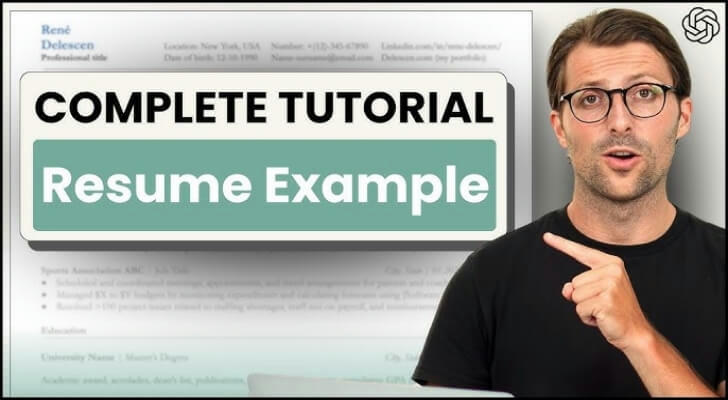
⚙️ Simple Steps to Customize a Resume Template {color:#FF8C00}
Choose a base template with minimal borders
Customize header with profession (e.g., Digital Designer | UX Focus)
Use bullets for achievements, not job duties
Include keywords from the job description
Save as PDF, not Word
These steps keep the resume both ATS-friendly and visually distinct.
📉 Too Much Style Can Backfire {color:#DC143C}
A study by Ladders, Inc. found that resumes with:
Bright background colors
Unusual font choices
Stock images or icons
had 32% lower viewing times by recruiters.
Too many visuals create distraction. Subtle formatting changes—like spacing and hierarchy—have more impact.
📝 Best Sections to Tweak for Uniqueness {color:#008B8B}
Rather than changing the whole layout, focus on these areas:
Professional Summary: Make it personalized, not generic
Skills: Add short context, e.g., "Figma – for UI prototyping"
Achievements: Use numbers where possible (e.g., “Grew social reach by 80% in 6 months”)
Certifications: Mention dates and relevance
These subtle customizations make any template look tailored.
🔍 Real Data on Resume Lifespan {color:#A0522D}
According to eye-tracking research by TheLadders:
| Section Viewed First | Avg. Time Spent |
|---|---|
| Name & Title | 3.2 seconds |
| Job Titles | 4.1 seconds |
| Skills Section | 2.8 seconds |
Total average scan time: 7.4 seconds.
This means strong structure and bold headers (not flashy styles) are what drive attention.
💡 Design Doesn’t Replace Content {color:#6A5ACD}
Design gets a foot in the door—but clear content wins the room. A resume with:
Confident action verbs
Concrete impact examples
Job-specific skills
will always beat a pretty one with fluff. Recruiters repeatedly say: "We hire for substance, not sparkle."
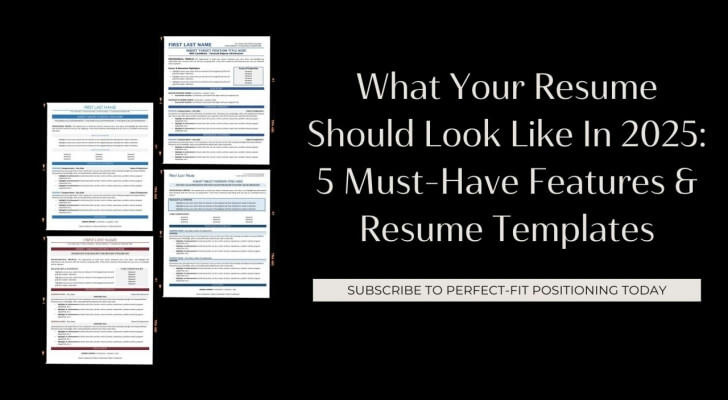
✅ Key Takeaways for a Standout Resume {color:#2E8B57}
Unique doesn’t mean unreadable—keep it simple
ATS compatibility is critical
Adjust one or two sections for the biggest impact
Avoid resume fads that don’t support clarity
Use verified results, not decorative gimmicks
Remember, the goal is to reflect professional identity—visually and verbally—without getting lost in the crowd.
📌 A smart layout won’t land the job, but it can keep a resume out of the trash pile.