
Job Application Tracker Templates to Save Your Sanity
Keeping track of job applications can quickly turn into chaos. From resumes and follow-ups to interview dates, it’s easy to miss crucial details. A structured tracker can prevent mental overload—especially in today’s competitive job market.
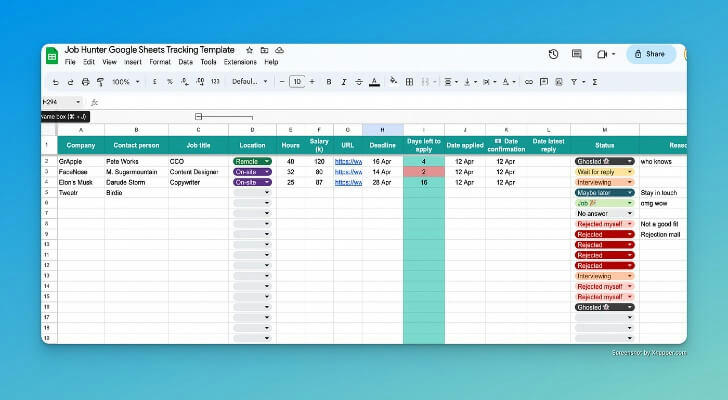
🔵 Why Job Tracking Matters More Than Ever
The average job seeker applies to 10–20 roles per week.
A 2025 survey by Pew Research Center found 57% of job seekers lose track of applications within the first two weeks.
Recruiters often contact candidates weeks after the original application—missed emails are common.
📊 Table: Job Search Habits in 2025 (U.S.)
| Job Applications per Week | % of Job Seekers | Common Issues Reported |
|---|---|---|
| 1–5 | 18% | No tracking system used |
| 6–10 | 34% | Forgot application status |
| 11–20 | 38% | Missed interviews, follow-ups |
| 20+ | 10% | Confused multiple companies |
⚠️ Source: Pew Research Center, 2025 Job Seeker Behavior Report
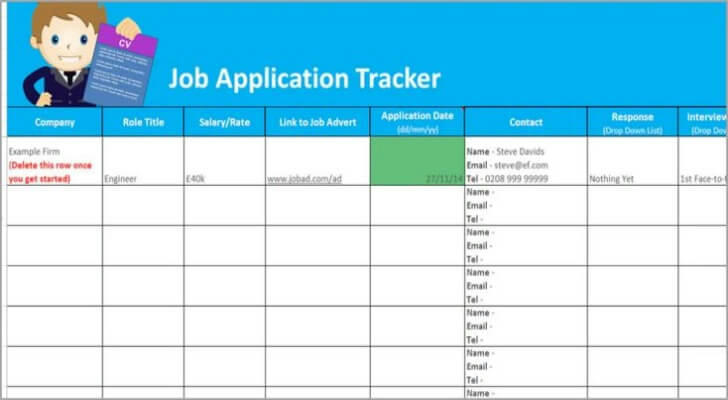
🟢 Key Elements in an Effective Tracker
🔹 A reliable tracker should include:
Job Title
Company Name
Date Applied
Application Status
Interview Dates
Contact Person & Notes
Use a simple spreadsheet or digital board.
Keep columns standardized.
Update status immediately after any action.
📌 Avoiding disorganization helps reduce follow-up fatigue.
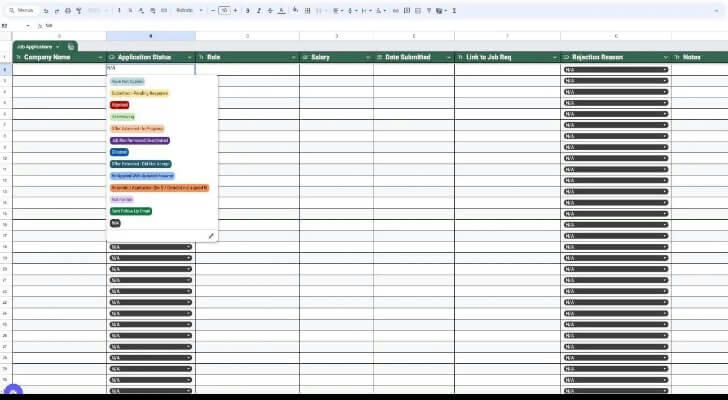
🟣 Color Coding & Visual Prompts Help (Really!)
🎨 According to behavioral psychologists, visual organization improves memory recall.
🟩 Green = Interview Scheduled
🟨 Yellow = Pending Response
🟥 Red = Rejected/Closed
🔵 Blue = Follow-up Sent
📎 Sticky notes and symbols work great for visual learners. Digital equivalents include tags or emojis.
🟠 Template Types That Actually Work
There’s no one-size-fits-all, but these styles work for different personalities:
Spreadsheet Nerds:
Excel or Google Sheets
Add filters by status or date
Task-Oriented Planners:
Kanban Boards (e.g., columns like “Applied,” “Interviewing,” “Waiting”)
Trello-style layouts
Detail Collectors:
Include resume versions submitted
Track networking contacts
Forgetful Types:
Set reminders for each stage
Use apps with calendar integrations
⏳ Bonus Tip: Always set an alert 5 days after submitting to remind for follow-up.
🔴 Real-World Case: Lost in the Spreadsheet Jungle
👉 Case: Marissa, a software tester in Ohio
Applied to 32 jobs in one month
Missed 4 recruiter calls due to poor tracking
Switched to a color-coded template
Reported a 40% improvement in interview responses over two months
🧩 Lesson: Tools only work if they’re used consistently and reviewed weekly.
🟡 Process: Setting One Up in 5 Simple Steps
Choose Your Format (Sheet, board, or app)
List Key Columns (Title, Date, Status, etc.)
Add 5 Initial Applications
Assign Colors or Tags
Set Weekly Review Time (15 mins max)
✅ Keep it light but routine. Treat it like brushing your digital teeth.
🔵 Analyzing Pitfalls: When Trackers Fail
📍 Based on feedback from career coaches:
45% abandon trackers because they overcomplicate them
28% forget to update after interviews
19% lack motivation to follow through
💡 Solution?
Keep entries minimal but relevant
Integrate with daily tools (calendar, email, phone reminders)
Don’t aim for perfection—just usability
🟢 Data-Driven Observation
🧠 Research from the National Career Development Association (NCDA) suggests:
Candidates who track applications are 2.3x more likely to receive callbacks
Visual trackers improve consistency in follow-ups by 31%
📊 This validates that intentional tracking has measurable value—even without overcomplicating the process.
🟣 Final Thoughts
A well-kept tracker isn’t just a record—it’s a tool to reduce decision fatigue. In a hiring landscape where attention spans are short and response times vary, staying organized becomes a survival skill.
💬 “Applying for jobs felt like playing 52-card pickup—until I used a simple sheet,” shared a job seeker in Denver.
🎯 The goal isn’t to track everything. It’s to track what matters—efficiently and clearly.