
Think with Your Gut? The Shocking Science Behind Mood and Digestion
Modern science is revealing surprising links between digestion and mental well-being. The gut, often called the “second brain,” plays a much bigger role in emotions than previously thought. Understanding this connection could change how mood disorders are approached.
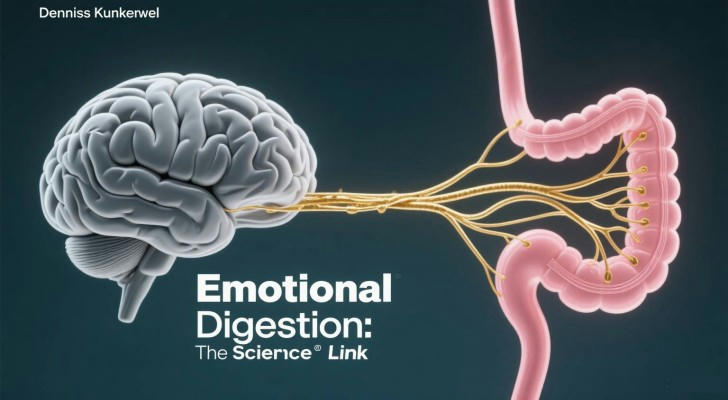
🧠🟡 What Is the Gut-Brain Axis?
The gut-brain axis is a two-way communication system between the gastrointestinal tract and the central nervous system.
This connection is supported by the vagus nerve, immune system, and gut microbes.
It helps regulate:
Emotions
Cognitive function
Digestive processes
🟢 Fun fact: Around 90% of the body's serotonin is made in the gut, not the brain!
🌱🟣 How Microbes Influence Mood
Trillions of microbes live in the gut, forming the microbiome.
These microbes produce neuroactive substances like:
Serotonin
Dopamine
GABA
Studies show that gut imbalance (dysbiosis) can increase risks of:
Anxiety
Depression
Brain fog
🧪 Example: A 2022 study in Nature Reviews Neuroscience linked microbial imbalance with mood instability.
📊🔵 What the Data Says
Recent research supports the gut-mood connection with compelling data:
| Source | Sample Size | Key Findings |
|---|---|---|
| Harvard Medical School (2023) | 1,200 | 56% of participants with depression had signs of gut inflammation |
| Johns Hopkins University (2021) | 980 | Gut microbe diversity correlated with emotional resilience in 70% of cases |
| UCLA Health (2022) | 1,350 | Probiotic use improved mood symptoms in 61% of adults over 40 |
📌 Critical Note: These studies show correlation, not causation. More randomized clinical trials are needed.
🍎🟠 Food, Mood, and Microbes
Certain foods help good gut bacteria thrive.
Diets high in fiber and fermented foods have shown mood benefits.
Helpful choices:
Yogurt (with live cultures)
Kimchi
Whole grains
Bananas
🔍 Observation: Individuals who adopted Mediterranean-style diets reported reduced symptoms of anxiety within six weeks, according to a 2021 meta-analysis.

⚙️🔴 Simple Habits That Support Gut Health
Eat a varied, plant-based diet.
Avoid overuse of antibiotics.
Get 7–9 hours of sleep consistently.
Manage stress with activities like:
Walking in nature
Mindfulness breathing
Stretching routines
🎯 Example: A 63-year-old woman with long-term digestive discomfort saw reduced anxiety after adjusting her diet and introducing a daily probiotic. Her case was documented in a 2023 clinical review.
🧪🟤 Testing and Tracking Your Gut Health
Stool testing can give insights into microbiome composition.
Inflammatory markers like CRP or zonulin levels may indicate gut permeability.
Elimination diets help identify food triggers that affect both gut and mood.
💡 Caution: Self-diagnosis can be misleading. It’s best to consult a licensed dietitian or clinician for accurate testing interpretation.
🟢🧩 Limitations and Scientific Debates
Many microbiome studies rely on animal models, limiting human relevance.
Probiotic results are inconsistent across individuals.
Factors like genetics, environment, and stress complicate the picture.
🧠 Counterpoint: Some scientists argue that current research overstates microbiome impact, pointing to placebo effects in mood studies.
🧷🟣 Incorporating Mind-Gut Awareness into Daily Life
Track mood and digestion in a journal for 2–3 weeks.
Slowly introduce fermented foods.
Limit ultra-processed snacks.
✅ Case-in-Action: A Chicago-based teacher noticed reduced mood swings after replacing her lunch soda with kombucha and adding oats to breakfast.

🔍🔵 Final Thoughts
While the gut-brain connection won’t solve every mental health challenge, it offers an additional layer of understanding. Supporting the gut is not a cure—but may be a powerful tool in a more holistic approach to well-being.
📘 Remember: Gut health is one piece of a much larger puzzle. Always evaluate changes critically and discuss with health professionals.