
What Your Sleep Tracker Isn’t Telling You
💤What Your Sleep Tracker Isn’t Telling You💤
In the U.S., sleep health has become a growing priority. From Fitbit to Apple Watch, to smart mattresses and mobile apps, sleep trackers are now a part of everyday life for millions.
But here’s a question many don’t stop to ask:
Why do we sometimes wake up tired even when the tracker says we slept well?
And more importantly, how reliable are these devices in the first place?
Let’s explore what your sleep tracker might not be telling you—and what the science really says.
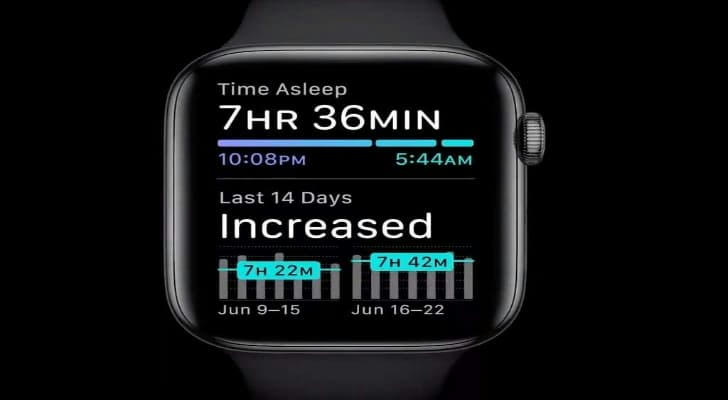
🧠Sleep: More Complex Than Your App Suggests
Most consumer sleep trackers divide your night into “light,” “deep,” and “REM” stages. This seems scientific—but here's the catch:
🔍 These stages are derived from indirect signals, such as:
Heart rate variability
Body movement (via accelerometers)
Skin temperature or oxygen saturation (in higher-end models)
🧠 However, true sleep stages are clinically defined using EEG (brainwave) patterns, which are measured in a sleep lab (polysomnography). Most consumer devices can’t access this level of data.
A 2019 validation study in Nature and Science of Sleep found that even the best wearables correctly identified sleep stages only 69%-79% of the time when compared to lab-based EEG.
🧭 So while wearables can offer useful trends over time, their precision—especially for distinguishing REM and deep sleep—is limited.
✅ Counterpoint: Some high-end devices (e.g. Oura Ring Gen 3, Withings Sleep Analyzer) now include pulse oximetry and ballistocardiography, which improve sleep stage prediction accuracy, but still fall short of clinical standards.
💡Optimization Culture: Helpful or Harmful?
The U.S. wellness culture has embraced “quantified self” movements, where people try to optimize sleep based on daily data feedback. Apps offer sleep scores, trends, and advice based on metrics. But there’s a downside:
📉 Focusing too much on numbers can backfire.
UC Berkeley researchers coined the term “orthosomnia”—a condition where individuals become anxious or obsessed with “perfect sleep scores,” which in turn disrupts sleep itself.
🔬 A 2017 study in the Journal of Clinical Sleep Medicine reported that people with orthosomnia experienced increased sleep latency and decreased overall satisfaction, despite normal sleep durations.
✅ That said, some individuals do benefit from sleep tracking—particularly those who:
Are building sleep hygiene habits
Have irregular routines
Are recovering from jet lag or shift work
🧠 Key takeaway: Trackers can raise awareness, but data without context can distort your perception of health.
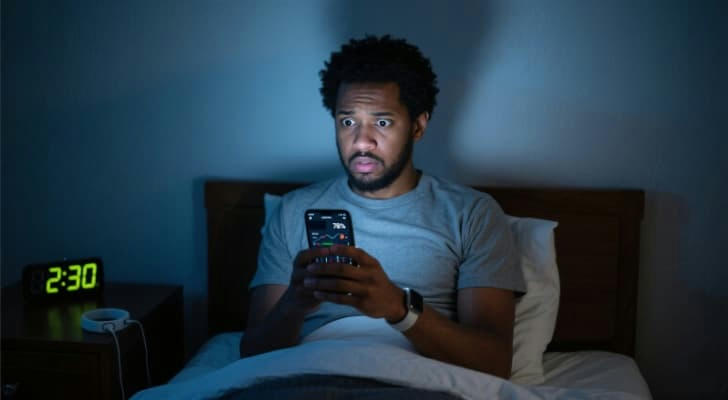
🌡️Numbers ≠ Quality Sleep: What Trackers Can’t See
Here’s what most sleep trackers miss entirely:
- Sleep Fragmentation
Frequent micro-awakenings (due to stress, noise, or apnea) often go undetected. Yet, they interrupt deep sleep cycles, leaving you unrefreshed.
- Environmental Disruptions
Your tracker doesn’t know if you:
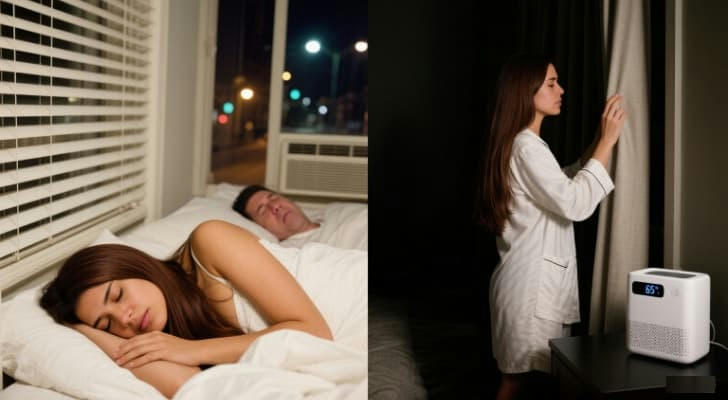
Slept with streetlight glare
Heard a neighbor’s car alarm at 2 a.m.
Felt too hot or cold
🔬 According to Harvard Medical School’s Division of Sleep Medicine, light and noise pollution are two of the most overlooked sleep disruptors, and are not accounted for in wearable data.
- Sleep Disorders
Conditions like insomnia, sleep apnea, restless leg syndrome, or parasomnias require clinical diagnosis—not a sleep score.
❗A 2022 CDC estimate found that 1 in 3 U.S. adults get insufficient sleep, and 1 in 5 may have undiagnosed sleep apnea—which most wearables cannot reliably detect.
🔁What About “Sleep Score” Accuracy?
Most sleep apps use proprietary algorithms that assign a daily sleep score based on duration, consistency, resting heart rate, and estimated sleep stages.
⚠️ Important caveat: These scores are not standardized across brands. An 85 on Fitbit does not mean the same as 85 on Garmin, Whoop, or Apple.
A 2021 independent review by Sleep Review Magazine evaluated top sleep trackers and found that most brands did not disclose full algorithms, making it difficult for consumers or researchers to verify results.
☕Lifestyle: The Root of the Problem (and the Solution)
Sleep trackers often focus on nighttime data—but they ignore daytime behaviors, which profoundly shape how you sleep.
🧬 The body’s circadian rhythm—our internal clock—depends on:
Daylight exposure
Meal timing
Caffeine intake
Physical activity
💥 For example:
Caffeine has a half-life of 5–6 hours. A 4 p.m. coffee could still impair melatonin release at bedtime, even if you feel “tired.”
🔬 A 2013 study in the Journal of Clinical Sleep Medicine showed that consuming 400 mg of caffeine even 6 hours before bed significantly reduced total sleep time and sleep efficiency.
Yet, your tracker might still show a “normal” night.
✅ Recommendation: Focus on what you can control outside of sleep:
Limit caffeine after 2 p.m.
Get 30+ minutes of natural light before noon
Avoid late-night screen use
Create consistent wake-up times—even on weekends
🛏️Environment Over Algorithms
While trackers focus on internal data, your bedroom might be a more important factor in improving sleep quality.
Key environmental changes supported by evidence:
Keep the room cool (60–67°F recommended by the National Sleep Foundation)
Eliminate ambient light and blue light exposure
Reduce background noise using white noise or earplugs
Make your bed a “sleep-only” zone—avoid working or watching TV in bed
🧠 Behavioral and environmental changes consistently outperform technology in improving long-term sleep outcomes, according to sleep clinicians and researchers.
🧾Conclusion: Technology ≠ Truth—But It Can Help
Sleep trackers can offer useful insights—when used with caution and context. They are not diagnostic tools, and they cannot replace self-awareness, healthy routines, or professional evaluations.

🌟Your body’s signals matter more than any graph.
If you feel refreshed, emotionally balanced, and alert during the day, your sleep is likely doing its job, even if the numbers seem average.
✅ Final insight: Use your device as a mirror, not a judge. Let it support healthy habits—not drive obsessive ones.