
Therapy, Walks, and Memes: Mental Health Tips That Actually Help
Mental health advice can feel... overwhelming. Between the self-help books, 7-step morning routines, $150 candles, and unsolicited “just be positive” comments, it’s hard to know what actually works. The truth? Supporting your mental health doesn’t have to be expensive, perfect, or Instagram-worthy. It can be small, real, and occasionally hilarious.

Therapy Is Not Just for “Crisis Mode”
If your image of therapy is someone crying on a couch while a bespectacled person takes notes, let’s update that. Therapy can be funny, awkward, life-changing, or sometimes just a place to vent about how Susan from accounting microwaves fish.
Professional therapists can help you:
Develop coping strategies for stress and anxiety
Understand unhealthy thought patterns
Improve communication and relationships
Set boundaries without feeling like a monster
Fun fact: According to the American Psychological Association, over 75% of people who enter therapy report improved mental well-being. And no, you don’t have to “hit rock bottom” first.
✨ You can go to therapy just because you want to feel better. That’s valid.
Walking Can Improve Your Mood
A 2021 study published in The Journal of Affective Disorders found that just 30 minutes of walking five days a week was as effective as low-dose antidepressants in reducing symptoms of mild to moderate depression.
And it doesn’t have to be dramatic:
Walk your dog (or your neighbor’s, or an imaginary one—no judgment)
Listen to a podcast or upbeat playlist
Power-walk while imagining you're storming away from all your problems
Even 10 minutes around the block counts. Bonus points if there’s sunshine involved.
Memes Are a Valid Coping Tool (Seriously)
You weren’t imagining it—memes actually help. A 2022 study from Psychology of Popular Media found that people who consumed relatable mental health memes reported higher mood and emotional resilience, especially during stressful periods.
Help normalize struggles (you’re not the only one lying awake at 3AM overthinking a 2017 text)
Add humor to heavy topics
Create connection in online communities
Just be mindful not to use memes in place of real help—but they absolutely belong in your wellness toolkit.
😂 Sometimes a perfectly timed meme is more comforting than a 600-word inspirational quote.
Boundaries Are the New Self-Care
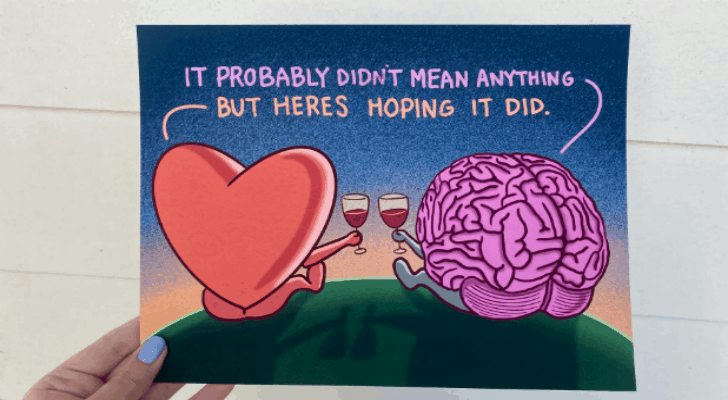
Forget the bubble baths—real self-care might be telling your cousin you can’t help them move again this weekend.
Setting healthy boundaries protects your energy, your time, and your sanity. It can look like:
Not answering emails after work hours
Saying “no” without over-explaining
Taking breaks from people who drain you
Start small. Practice in low-stakes situations. And yes, it might feel weird at first—but so did wearing jeans again after 2020.
You Don’t Have to Be Productive to Be Valuable
Your worth is not tied to how many tasks you completed today. You are allowed to rest, be unproductive, or feel off.
💬 “Doing nothing” is sometimes doing everything your brain needs.
Replace toxic productivity with intentional rest:
Take naps (real ones, not just scrolling in bed)
Watch comfort shows without guilt
Journal for 5 minutes with no agenda
Final Thoughts: Keep It Simple, Keep It Real
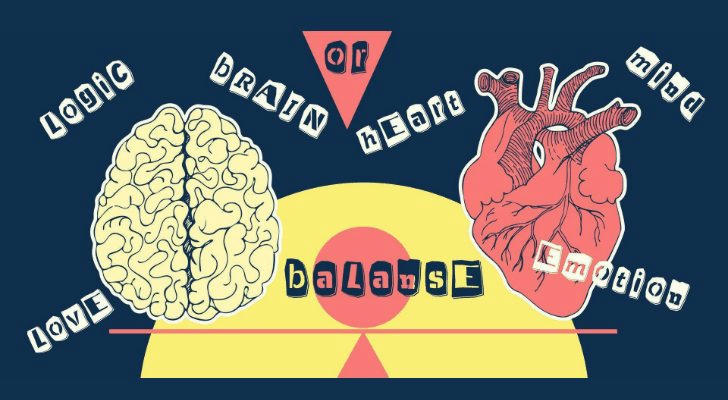
You don’t need money retreat or a new identity as a “wellness guru” to care for your mental health. You just need to find what works for you—whether that’s a licensed therapist, a sunset walk, or a SpongeBob meme that perfectly captures your emotional state.
Mental health isn’t one-size-fits-all. It’s messy, human, and deeply personal. So start where you are, do what you can, and remember: it’s okay to laugh while healing.