
What Credit Score Do You Really Need for a Personal Loan in 2025?
Ever wondered if your credit score holds the golden key to unlocking a personal loan? You're not alone! Many folks navigating the financial landscape often ponder what credit score truly opens doors to favorable personal loan options. In 2025, understanding this isn't just helpful; it's essential for making informed financial decisions. Let's explore the ins and outs of credit scores and personal loans, breaking down the myths and revealing the realities.
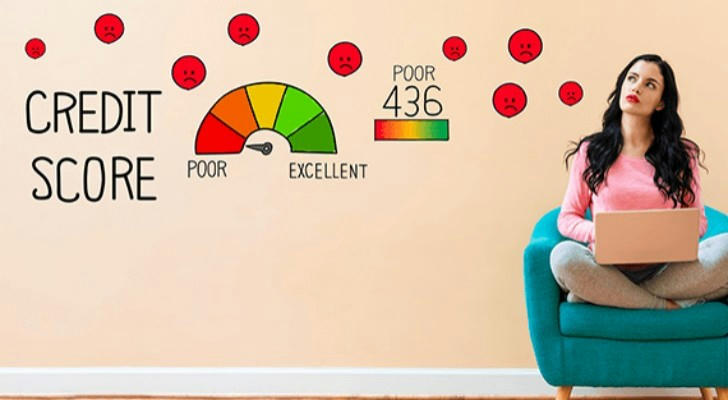
The Credit Score Landscape 📊
Think of your credit score as a financial report card. It's a three-digit number that lenders use to assess your creditworthiness. A higher score generally indicates a lower risk to lenders. Several models exist, but the FICO Score and VantageScore are the most commonly used. These scores are constantly evolving, reflecting your financial behaviors.
What's Considered a "Good" Score? ✨
Generally, credit scores fall into several categories. While the exact ranges can vary slightly by scoring model, here's a widely accepted breakdown:
| Credit Score Range | Category |
|---|---|
| 300-579 | Poor |
| 580-669 | Fair |
| 670-739 | Good |
| 740-799 | Very Good |
| 800-850 | Excellent |
Data from Experian, a major credit bureau, consistently shows that a "Good" credit score typically begins around 670.
The Reality for Personal Loans 🧑💻
So, what does this mean for personal loans? While there's no single "magic number," lenders generally prefer to see scores in the Good (670-739) to Excellent (800-850) range.
- For excellent scores: You're likely to qualify for the most competitive interest rates and terms. Lenders see you as a very low risk.
- For good scores: You'll still have a good chance of approval and decent rates. Options will be more plentiful.
- For fair scores: Approval is possible, but you might face higher interest rates and less flexible terms. Lenders might view you with a bit more caution.
- For poor scores: Obtaining a traditional personal loan can be challenging. You might need to explore alternative lending options or work on improving your score first.

Beyond the Number: What Lenders Really Look At 👀
It's not just about the score! Lenders consider a holistic view of your financial situation. They're trying to gauge your ability to repay the loan.
- Income and Employment Stability: A steady income shows you have the means to make payments.
- Debt-to-Income Ratio (DTI): This compares your monthly debt payments to your gross monthly income. A lower DTI is generally better.
- Credit History Length: A longer history of responsible credit use is a positive sign.
- Payment History: Consistent on-time payments are crucial. Missed payments can significantly hurt your chances.
- Credit Mix: Having a mix of different credit types (e.g., credit cards, auto loans) can be beneficial, showing you can manage various forms of credit responsibly.
Improving Your Credit Score: A Strategic Approach 📈
If your score isn't where you want it, don't despair! Building a stronger credit profile takes time and consistent effort.
Pay Bills On Time: This is arguably the most impactful factor. Set up reminders or automatic payments.
Reduce Credit Utilization: Keep your credit card balances low compared to your credit limits. Aim for under 30%.
Check Your Credit Report Regularly: Dispute any errors you find. You can get a free report annually from each of the three major credit bureaus.
Avoid Opening Too Many New Accounts: Each new application can temporarily ding your score.
Maintain Old Accounts: A longer credit history is generally better.
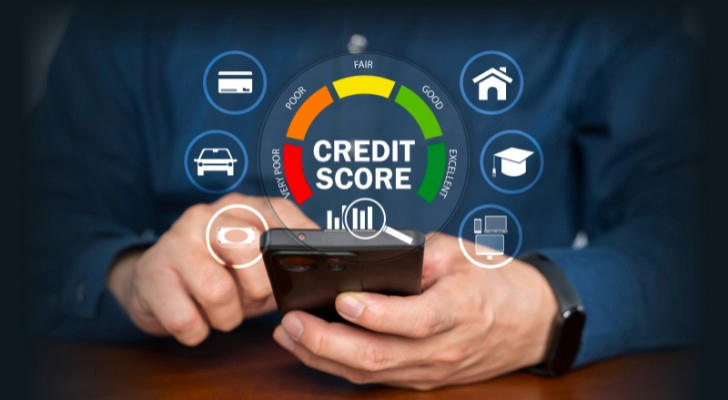
Case Study: Sarah's Journey 📖
Sarah needed a personal loan for home renovations. Her credit score was 630 (Fair). She initially faced high-interest offers. Instead of rushing, she decided to improve her score. Over six months, she paid off a small credit card balance and ensured all her bill payments were on time. Her score rose to 685 (Good). This improvement allowed her to secure a loan with a significantly lower interest rate, saving her hundreds of dollars over the loan term. This illustrates the power of a strategic approach!
When a Low Score is the Only Option 😟
Sometimes, waiting isn't an option. If your score is low, you might still find personal loan options, though they'll likely come with higher interest rates and potentially less favorable terms.
- Secured Personal Loans: These require collateral, like a car or savings account. The collateral reduces the lender's risk, making them more willing to lend.
- Co-signed Loans: Having a co-signer with a strong credit score can help you get approved and potentially secure better terms. However, your co-signer is equally responsible for the debt.
- Credit Unions: These often have more flexible lending criteria than traditional banks and may be more willing to work with individuals with lower scores, especially if you're a long-standing member.
The Critical Takeaway: Patience and Diligence 🙏
Understanding your credit score and its impact on personal loans is vital. While a specific number isn't a hard and fast rule, striving for a score in the "Good" to "Excellent" range will undoubtedly provide you with more favorable options and better financial flexibility. Remember, building and maintaining good credit is a continuous journey, but one that pays significant dividends.