
Personal Finance Red Flags That Lenders Notice (and You Should Too)
Understanding how lenders evaluate borrowers is more than just number crunching—it's a psychological game of risk and reliability. 🧠 In the current U.S. financial climate, small missteps in personal finance can trigger big concerns for lenders. This guide breaks down the common warning signs lenders flag—and why they should matter to individuals, too.
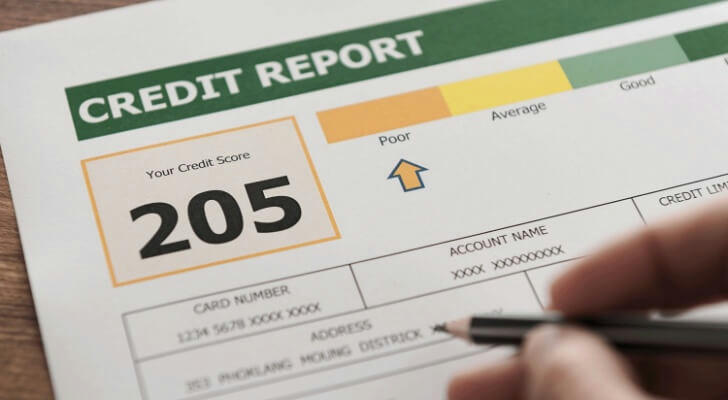
🔴 Credit Score Swings
Your credit score isn't just a number—it's a snapshot of trustworthiness.
Sudden drops may indicate recent defaults or overuse of credit.
Frequent hard inquiries suggest aggressive credit-seeking behavior.
Unusual spikes without matching history may trigger suspicion.
📊 FICO Score Ranges (Experian, 2025):
| Category | Score Range | Risk Profile |
|---|---|---|
| Exceptional | 800–850 | Very Low Risk |
| Very Good | 740–799 | Low Risk |
| Good | 670–739 | Moderate Risk |
| Fair | 580–669 | High Risk |
| Poor | 300–579 | Very High Risk |
🔍 Credit health is about consistency, not perfection.
🟡 High Credit Utilization Ratio
Utilization reflects how much credit is used compared to limits.
Ratios above 30% can signal financial overreach.
Carrying balances across many cards amplifies perceived risk.
Lenders prefer low usage across multiple accounts.
🧠 Even if payments are on time, heavy usage can hurt credit perception.
🔵 Irregular Income Patterns
Stable income streams offer predictability—something lenders love.
Freelance or gig earnings can appear unreliable.
Unexplained gaps in deposits raise red flags.
Fluctuations challenge lenders' ability to assess repayment capacity.
📁 Example: An applicant showing $5,000 in income one month and $800 the next may face tighter scrutiny despite decent annual earnings.
🟢 Overloaded Debt Profile
Too much debt limits repayment potential.
Debt-to-income ratios above 36% often raise concerns.
Balances on student loans, auto loans, and revolving credit are all factored.
High obligations reduce lending confidence, even with a decent score.
📊 Average U.S. Consumer Debt (Federal Reserve, Q1 2025):
| Debt Type | Avg. Balance |
|---|---|
| Mortgage Loans | $110,000 |
| Student Loans | $37,000 |
| Auto Loans | $23,000 |
| Credit Cards | $6,200 |
📌 Lenders calculate monthly obligations to see how much room is left for new payments.

🟠 Job-Hopping History
Frequent job changes hint at instability.
Short tenures reduce perceived income reliability.
Gaps in employment raise questions about long-term sustainability.
Lenders often favor applicants with two or more years in one role.
📂 Tip: Provide clear context for job changes when submitting documentation.
🟣 No Emergency Savings
Lenders want to know if unexpected expenses can be managed.
No visible savings suggests paycheck-to-paycheck living.
Emergencies may push borrowers into default without a buffer.
Savings demonstrate planning and financial maturity.
🧪 Federal Reserve data (2024): 37% of adults couldn’t cover a $400 emergency without borrowing or selling something.
💡 Having even one month of expenses saved can shift lender perception.
🔻 Outstanding or Charged-Off Accounts
Old debts cast long shadows.
Charged-off accounts stay visible on credit reports for up to 7 years.
Even small unpaid debts (like medical bills) raise credibility concerns.
Settling or disputing them is essential before applying for new credit.
🎯 Case in Point: A $300 cell bill in collections led to a denied auto loan—despite the rest of the applicant's record being clean.
🔵 Too Many Active Accounts
Quantity without quality can hurt.
Numerous open credit lines suggest a risk of overspending.
Lenders assess how much is currently borrowed, and how much could be.
Dormant accounts might still be considered liabilities.
🧮 Keeping one or two long-standing, low-balance accounts is often more beneficial than juggling five new ones.

🟤 One-Dimensional Credit History
Variety in credit shows adaptability and responsibility.
Only using one type of credit (e.g., credit cards) limits lender insight.
Installment loans provide a different risk profile than revolving credit.
A healthy mix reflects broader financial experience.
📘 Lender Logic: Someone with both an auto loan and a credit card shows experience managing multiple repayment schedules.
✅ Behind the Red Flags: What Lenders Actually Prioritize
Red flags matter, but they’re only part of the story. What strengthens an application:
Steady employment with documented income.
Clear history of timely payments.
Low credit usage.
Absence of unresolved negative marks.
🛠️ Pre-Application Checklist
-
Review credit report for outdated or incorrect data.
-
Bring credit utilization under 30%.
-
Organize pay stubs, tax returns, and bank statements.
-
Settle or negotiate any existing unpaid debts.
-
Avoid applying for new lines of credit within 60 days.
🧭 Final Thought
Lenders are cautious for a reason—defaults impact their bottom line. But the same red flags that concern them should concern individuals, too. Financial health is not about chasing high scores—it’s about creating a foundation strong enough to handle change 🔐.
💬 Being mindful of these red flags isn't just about loans—it's about building lifelong financial credibility.