
Is a Debt Consolidation Loan Worth It? Here’s When It Is
💡 Managing multiple debts is stressful. A debt consolidation loan might offer relief—but it isn’t always the magic fix. This article explores when it makes sense, and when it doesn’t, based on the real financial climate in the U.S.
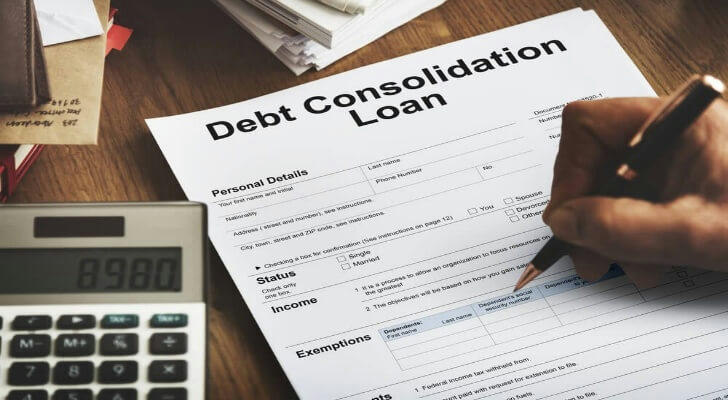
🟦 What Is a Debt Consolidation Loan?
A financial tool to combine multiple debts into a single monthly payment.
Commonly used to merge credit cards, personal loans, and medical bills.
Typically replaces high-interest debts with a loan that may have more stable terms.
🔸 Example: Instead of juggling five bills, a person now pays just one lender.
🟩 When Might It Be Worth It?
🔍 Look for these situations:
Interest rates on existing debts are variable and rising.
There’s a clear, predictable repayment timeline.
The borrower can qualify for better terms due to improved credit.
✅ Case Study:
Alicia had four credit cards with varying rates. After consolidating, she focused on a single payment and cleared her balance in 24 months.
🟨 U.S. Household Debt Snapshot (2025 Q1)
| Type of Debt | Avg. Balance Per Household | Delinquency Rate |
|---|---|---|
| Credit Card | $6,501 | 3.1% |
| Auto Loan | $13,272 | 2.6% |
| Personal Loan | $9,375 | 4.2% |
| Student Loan | $36,319 | 8.6% |
📊 Source: Federal Reserve Bank of New York, Q1 2025
🧠 Analysis:
Credit cards remain the most common source of revolving debt.
Consolidation may help if interest charges keep snowballing month to month.
🟪 When It’s Not a Great Idea
❌ Red flags to consider:
Consolidation extends debt over a longer term, increasing total interest paid.
Lender fees and origination charges reduce cost savings.
No meaningful change in spending behavior leads to new debt on top of old debt.
🧩 Scenario to Avoid:
Mark consolidated his debt but didn’t adjust his spending. Within a year, his credit cards were maxed again—on top of the new loan.

🟥 Does Credit Score Matter? (Spoiler: Yes)
🧷 Here’s why:
A higher credit score may qualify for lower rates.
Poor credit might lead to less favorable terms than existing debts.
📋 FICO Score Range Impact
| Score Range | Loan Terms Typically Offered |
|---|---|
| 740+ | Most competitive options |
| 670–739 | Standard terms, moderate rates |
| Below 670 | Higher interest, stricter rules |
📌 Tip: Check credit reports before applying. A soft check won’t impact the score.
🟫 Consolidation vs. Other Strategies
🔍 Alternatives to compare:
Balance transfer cards (if used carefully)
Snowball or avalanche debt repayment methods
Credit counseling or hardship programs
📌 Key Distinction:
Consolidation simplifies payments. Others might reduce total repayment faster with discipline.
🔷 Process Overview: How It Usually Works
🧭 Typical Steps:
Assess all outstanding debts and current interest rates.
Compare loan offers from multiple lenders.
Apply for the loan (soft check preferred initially).
If approved, pay off existing debts.
Stick to a strict repayment plan for the new loan.
🎯 Note: Consolidation doesn’t erase debt—it reorganizes it.
🟨 Psychological Impact and Behavioral Insight
🧠 Debt can affect emotional well-being.
Consolidation may reduce mental load due to fewer payments.
Some borrowers report better budgeting after streamlining their debts.
Others fall into a false sense of financial progress and accumulate more debt.
📍 Key Consideration:
Financial decisions often have emotional consequences—understanding one’s habits is just as important as comparing rates.

🟩 Final Thoughts: When It’s a Fit
✔️ Best for individuals who:
Have multiple high-interest debts
Qualify for improved terms
Are committed to changing financial habits
❗ Not ideal for those hoping to “buy time” without long-term adjustments.
📬 One Borrower's Perspective:
"It worked only after I got serious about budgeting. Without that, I’d just be in a deeper hole."
📌 TL;DR:
Debt consolidation is a tool—not a cure. When used wisely, it can provide structure and relief. But without behavioral change, it can make debt problems worse 😶🌫️.