
Credit Karma Scores: Can You Trust Them When Applying for Loans?
Credit scores pop up everywhere—from online banking apps to personal finance tools. But how reliable is a score from Credit Karma when loan decisions are at stake? Let’s explore what’s behind the numbers.
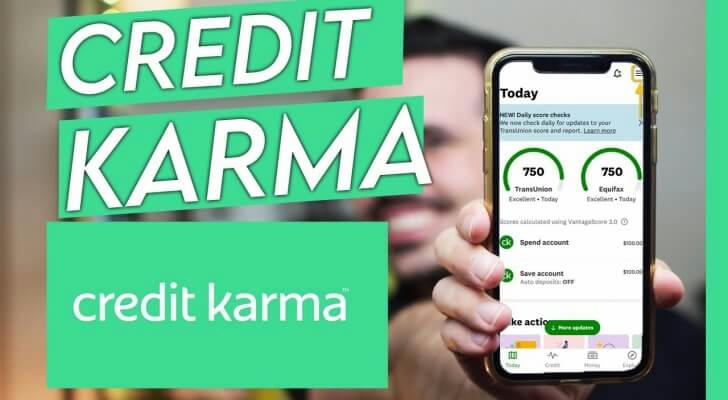
💡 What Is a Credit Karma Score, Exactly?
Credit Karma uses the VantageScore 3.0 model。
Many lenders still use FICO Score 8 or other versions。
This means the number Credit Karma shows might differ from the one your lender sees。
🧐 It’s not a scam—it’s just a different formula。
📊 How Different Are These Scores?
According to a 2022 Consumer Reports study:
28% of users saw a 20-point or greater difference between Credit Karma and lender scores。
4% experienced a 40-point gap or more。
| Score Source | Model Used | Average Variation |
|---|---|---|
| Credit Karma | VantageScore 3.0 | 20 to 25 points |
| Mortgage Lenders | FICO Score 2/5 | Up to 40 points |
| Auto Loan Lenders | FICO Auto Scores | 10 to 35 points |
📉 The takeaway: It’s normal for scores to shift slightly—but large gaps could impact loan offers。
🧠 Why the Discrepancy Matters
Lenders assess risk differently depending on the scoring model。
One model may prioritize credit age, while another emphasizes payment history。
Credit Karma might show an “excellent” score, while a lender sees “good。”

🔍 Result: Confusion or rejection can occur if relying on only one source。
🏷️ Case Study: Lisa from Arizona
Lisa checked her Credit Karma score: 745。
Excited, she applied for an auto loan。 The dealership’s lender pulled a FICO Auto Score: 698。
😐 That single shift raised her interest rate offer。
She wasn’t denied—but the cost was higher than expected。
Lesson: Even small differences can influence a loan’s affordability。
📘 What Lenders Really Look For
Credit report details (not just the score)
Payment history and delinquencies
Debt-to-income ratio
Recent credit inquiries
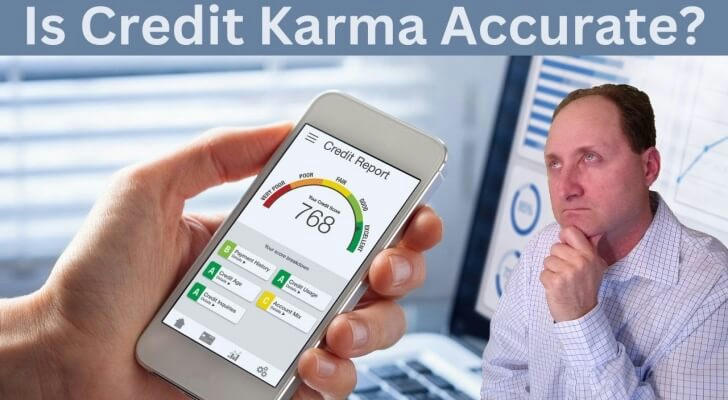
💬 A quote from the Consumer Financial Protection Bureau (CFPB):
“Lenders evaluate more than just the score. They examine the credit report holistically.”
🔧 How to Cross-Check Your Score
Use AnnualCreditReport.com to see your actual reports from the three bureaus。
Check your FICO score via banks or credit card issuers that offer it。
Look for any red flags Credit Karma may have missed。
🛠️ Some platforms now show both Vantage and FICO scores—use them for comparison。
📌 Understanding the Algorithm
VantageScore 3.0 weighs factors as follows:
Payment history: 40%
Credit usage: 20%
Age of accounts: 21%
Mix of credit: 11%
New inquiries: 8%
But in the FICO 8 model, the weight is different:
Payment history: 35%
Credit utilization: 30%
Length of credit history: 15%
New credit: 10%
Credit mix: 10%
🎯 Point to remember: The same data can yield different scores depending on the math。
👣 Steps to Prepare Before Applying for a Loan
Review credit reports from all three bureaus。
Check both Vantage and FICO scores if possible。
Identify what’s affecting your scores—collections, utilization, late payments。
Dispute errors through each credit bureau’s online portal。
📍 These steps help reduce surprises at the loan application stage。
📎 Real Example: Brian’s Loan Experience
Brian saw a 735 on Credit Karma and expected approval。
His mortgage lender pulled a FICO 2 score: 688。
🧾 He hadn’t realized older models penalized medical collections more harshly。
Brian postponed his loan to resolve the item, eventually qualifying six months later。
Moral: Context and timing matter as much as the score。
🔍 Should You Trust Credit Karma?
✅ Trust it for general tracking and trends。
❌ Don’t rely on it as a final decision tool。
It’s great for monitoring direction—up or down。
Not ideal for knowing your exact score used by specific lenders。
📈 Think of it as a fitness tracker, not a medical diagnosis。
🧭 Summary: Making Sense of the Numbers
🎯 Before applying for loans:
Understand which score model your lender uses
Check more than one score source
Look at your credit report not just the number
Scores are signals, not guarantees. Use them as part of a bigger picture.