
“Buy Now, Regret Later?” A Deep Dive into BNPL Pitfalls
Buy Now, Regret Later? A Closer Look at the BNPL Trap
“Zero interest, zero burden, instant ownership.”
That’s the kind of offer plastered across countless checkout pages online. But is Buy Now, Pay Later (BNPL) as harmless as it sounds? From cosmetics to electronics, BNPL has reshaped shopping habits across the U.S.—but not without consequences.
⚠️ This article offers a clear-eyed look at how BNPL works, why it feels easy to use, and the hidden traps that may follow.
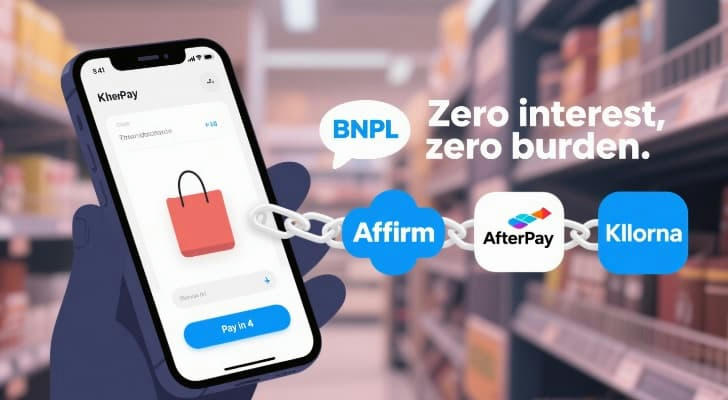
🔍 What Is BNPL? Convenience With Strings Attached
BNPL (Buy Now, Pay Later) lets consumers split purchases into installments—often without upfront fees. Platforms like Affirm, Afterpay, and Klarna pay the full price to the merchant, while consumers pay in 4 to 6 scheduled chunks.
📈 According to a 2023 CFPB report, over 40% of U.S. adults have used a BNPL service at least once. It’s especially common among younger shoppers for fashion, gadgets, and lifestyle goods.
✅ At first glance: Simple. Under the surface: Structured debt, often without traditional oversight.
🧠 Why Is BNPL So Tempting? Behavioral Triggers at Work
BNPL isn’t just a payment method—it’s a psychological trigger machine. Here’s how it influences decision-making:
🪄 1. Turning Price Into "Small Bites"
People are more likely to approve a purchase if it feels cheaper. BNPL reframes the price into “$25 × 4” instead of “$100,” creating a false sense of affordability.
⏳ 2. Instant Reward, Delayed Responsibility
Goods arrive immediately. Payments? Weeks or months later. This delay gives a dopamine hit now, while the consequences quietly queue up.
👻 3. Feels Less Like Debt
With no credit line shown and payment schedules scattered across apps, BNPL feels “invisible”—but debt is debt, even when it’s hidden.
📌 Key Insight: BNPL reduces perceived risk at checkout, increasing the likelihood of impulse buys.
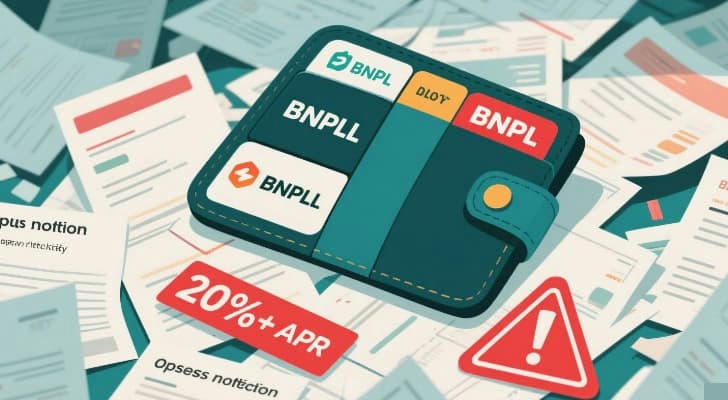
🚨 Where the Real Risks Lurk
Though marketed as low-risk, BNPL services carry serious pitfalls:
📊 1. Fragmented Debt = Confused Borrower
CFPB data reveals many users juggle multiple BNPL plans with no central dashboard—increasing the chance of missed or duplicate payments.
⛔ 2. The Hidden Costs of "Free"
Miss one installment, and late fees or account restrictions often apply. Some providers quietly apply penalty rates exceeding 20% APR.
📉 3. Credit Impact Without the Perks
Most BNPL providers don’t report on-time payments to credit bureaus—but defaults may show up. That means no credit building, just credit risk.
🧾 4. Regulation? Still Catching Up
BNPL firms are not held to the same federal standards as banks or credit cards. Disclosure rules, dispute processes, and data privacy vary widely.
🔴 Debt becomes dangerous when it looks harmless.
📉 A Growing Societal Concern
The rise of BNPL may reflect more than changing tech—it might signal a shift toward fragmented, untraceable personal debt.
🧪 A 2022 New York Fed study showed:
25% of BNPL users missed at least one payment
⅓ of those users did not fully understand the repayment terms
🎯 Younger adults and lower-income households are disproportionately affected—often using BNPL without financial literacy or long-term planning.
📢 This is not just a personal finance issue. It's a structural one.
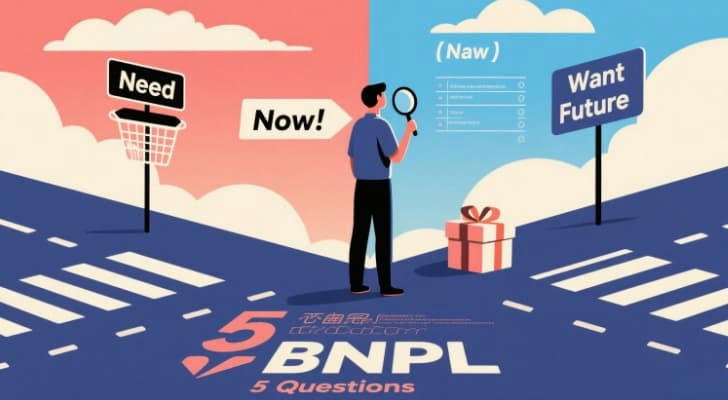
❓ Five Questions to Ask Before Clicking “Split Payment”
BNPL isn’t automatically dangerous—but it demands active decision-making. Ask these before using:
🛍️ Is this a need or a want?
🤔 Would this purchase still be appealing without the split-payment option?
💰 Are upcoming payments sustainable alongside other expenses?
📅 Are there multiple plans in place already? Any overlapping due dates?
🆘 Could this debt be paid off quickly in a financial emergency?
💡 Smart finance starts with self-awareness—not shiny checkout buttons.
🧭 Final Thought: BNPL Is a Tool, Not a Shortcut
BNPL can be useful—for some, under the right conditions. But:
🚫 Convenience ≠ Safety
📉 Delayed payment ≠ Disappearing cost
🧨 Invisible debt ≠ Harmless debt
Financial tools evolve fast, but the core principle stays the same:
🔒 Borrowed money today must be repaid tomorrow—sometimes with a high emotional price.
So before hitting that “Pay in 4” button, pause and ask:
🧠 “Am I buying comfort—or borrowing from my future self?”