
Before You Borrow: Smart Questions About Home Equity Loans
Thinking about borrowing against your home? A home equity loan might seem like a smart move, but it's not as simple as signing a few papers. Asking the right questions before committing can help avoid regret later. Let’s break down the key points—clearly and practically.
🟦 1. What Exactly Is a Home Equity Loan?
Understanding the basics is the first step.
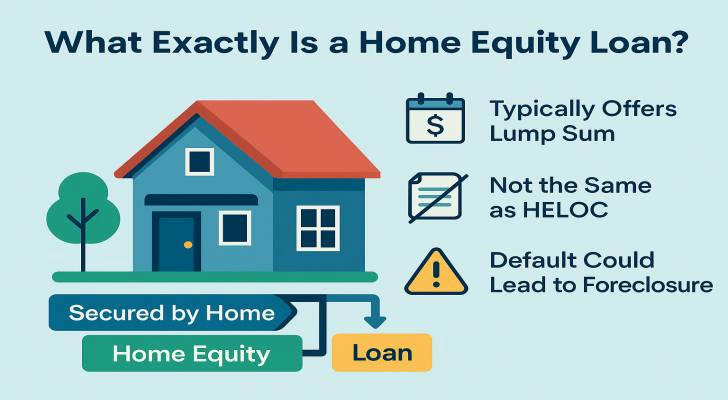
A home equity loan is secured by the portion of the property already paid off.
It typically offers a lump sum that’s repaid in fixed monthly installments.
This is not the same as a home equity line of credit (HELOC), which is more flexible.
🔹 Key Point: Defaulting could lead to foreclosure since the home acts as collateral.
🟩 2. How Much Equity Is Available?
Equity is calculated by subtracting the remaining mortgage from the property’s market value.
📊 Example Calculation Table
| Home Market Value | Remaining Mortgage | Available Equity |
|---|---|---|
| $350,000 | $220,000 | $130,000 |
| $400,000 | $300,000 | $100,000 |
🔸 Check with a licensed appraiser or recent local sales to estimate current value.
🟨 3. What Will the Funds Be Used For?
Being clear on intent helps in choosing the right financial strategy.
✅ Home improvements
✅ Medical expenses
✅ Education costs
❌ Discretionary spending (risky if the loan outlives the purchase)
📝 Tip: Match the repayment term with the lifespan of what’s being financed.

🟪 4. Can the Monthly Payment Be Afforded Comfortably?
A fixed rate may seem predictable—but that doesn’t mean affordable.
Add up monthly obligations: mortgage, insurance, taxes, and now the new loan.
Consider unexpected expenses like car repairs or rising utility bills.
📌 According to the Consumer Financial Protection Bureau (CFPB), housing costs should ideally stay below 30% of monthly income.
🟥 5. How Do Interest Rates Compare?
Home equity loans usually offer lower interest than credit cards, but rates vary widely.
Fixed-rate: predictable, good for long-term planning
Variable-rate: may start low but can increase
📊 Rate Comparison Snapshot (Source: Bankrate, Q1 2025)
| Loan Type | Avg. Rate Range (%) |
|---|---|
| Home Equity Loan | 7.0 – 9.5 |
| Personal Loan | 9.0 – 12.0 |
| Credit Card | 18.0 – 24.0 |
🧠 Evaluate: Would another option offer more flexibility without tying up the house?
🟫 6. What Are the Total Loan Costs?
The interest isn’t the only cost involved.
Origination fees
Appraisal and legal fees
Closing costs (sometimes 2–5% of the loan)
🧾 Ask for an itemized loan estimate to see what’s really being paid.
🟧 7. What Happens If the Home’s Value Drops?
Market downturns are out of anyone’s control.
Negative equity can occur when the home value drops below the loan amount.
Selling the house could mean owing more than it’s worth.
📉 Case Study: In 2008, over 25% of homeowners found themselves “underwater” during the housing crisis, according to the Federal Reserve Bank of St. Louis.
🟦 8. How Long Is the Repayment Term?
Repayment timelines typically range from 5 to 30 years.
Shorter term = higher payments, less interest
Longer term = lower payments, more total interest
🛠️ Strategy: Choose a term based on cash flow rather than just the loan amount.
🟩 9. How Will This Impact Credit and Future Borrowing?
Taking on new debt changes the overall credit profile.
A large loan can reduce credit flexibility.
Missing a single payment could drop the credit score significantly.
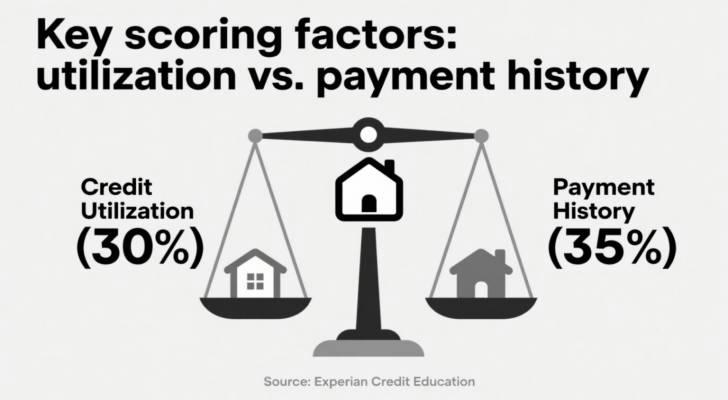
📌 Reminder from Experian: A home equity loan affects both credit utilization and payment history—two key scoring factors.
🟨 10. What Alternatives Are Available?
Before finalizing, compare a few options:
Cash-out refinancing
HELOC (Home Equity Line of Credit)
Personal loans
🎯 Case Example: A homeowner needing $30,000 for renovations chose a HELOC instead due to lower upfront costs and draw-as-you-need flexibility.
🟪 Final Thoughts 🤔
Home equity loans can be helpful—but not harmless. Taking time to ask these questions offers long-term clarity. It's not just about getting the money—it’s about keeping the roof over your head secure while doing it.