
How to Create a Career Development Plan That Actually Works
Building a fulfilling career doesn’t happen by chance—it takes intention, reflection, and planning. Whether you're entering the workforce, changing industries, or aiming for a promotion, a clear career development plan can guide your journey, keep you focused, and help you measure progress.

This article walks you through the steps to create a career development plan that is practical, goal-oriented, and aligned with your long-term ambitions.
Define What Career Success Looks Like for You
Career success is different for everyone. For some, it means reaching an executive position; for others, it may involve work-life balance, creative freedom, or making a social impact.
Ask yourself:
What kind of work energizes me?
Where do I see myself in 5 or 10 years?
What lifestyle do I want my career to support?
Be honest and specific. According to a Gallup poll (2023), employees who have personal clarity around their goals are 3.5 times more engaged at work.

Assess Your Current Skills and Experience
Next, take stock of where you are now. Consider both your hard skills (e.g., coding, data analysis, writing) and soft skills (e.g., leadership, communication, adaptability).
Try this simple audit:
List your top 5 skills.
Identify key achievements in your current or past roles.
Note any certifications, degrees, or licenses you hold.
Ask for feedback from supervisors or colleagues.
Tools like LinkedIn Skills Assessment or career self-assessment tests can help identify strengths and gaps.
Set SMART Career Goals
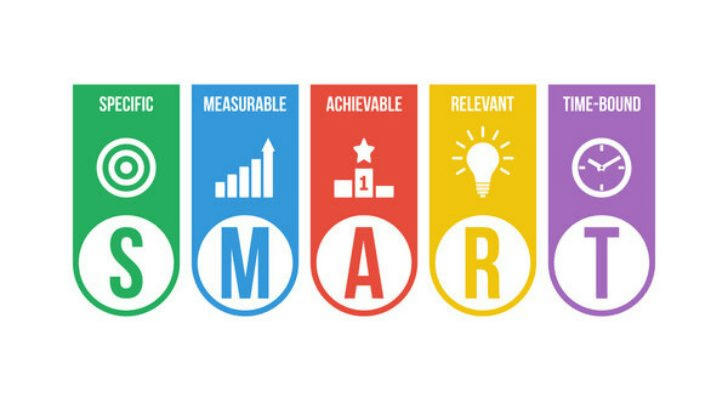
Your goals should be SMART:
Specific – Clearly define what you want to achieve.
Measurable – Know how you'll track progress.
Achievable – Keep goals realistic given your time and resources.
Relevant – Make sure goals align with your larger career vision.
Time-bound – Set deadlines or checkpoints.
Example: “Complete a Google UX Design Certificate in 4 months and start applying for entry-level design roles by January.”
Break long-term ambitions into short-term milestones—this makes the process less overwhelming and easier to track.
Identify Learning and Development Opportunities
Once you’ve outlined your goals, decide how you'll close your skill gaps or gain necessary experience.
Options include:
Online courses (e.g., Coursera, edX, LinkedIn Learning)
Certificate or degree programs
Job shadowing or internships
Mentorship programs
Volunteering for stretch projects at work
Make learning a habit. According to LinkedIn’s 2025 Workplace Learning Report, 87% of professionals say upskilling has helped them advance in their current role.
Build a Timeline and Accountability System
A plan without a timeline is just a wish. Use a calendar, spreadsheet, or a career planning app to:
Schedule when you’ll take courses, attend events, or apply to jobs.
Set monthly check-ins to reflect on your progress.
Adjust your plan if priorities or opportunities shift.
Consider sharing your goals with a mentor, coach, or accountability partner who can support and challenge you along the way.
Revisit and Adjust Regularly
A career development plan is not static. Life changes, industries evolve, and your interests may shift. That’s normal.
Set a reminder to review your plan every 6 to 12 months. Ask:
What’s working? What’s not?
Have my goals changed?
What new opportunities have emerged?
Adaptability is just as important as planning. Flexibility will help you stay resilient and focused in a dynamic job market.
Final Thoughts
Creating a career development plan takes effort—but it empowers you to take control of your future, one step at a time. When you define your goals, track your growth, and stay committed to learning, you turn ambition into action.Your career is a journey—not a race. With a practical plan in place, you’ll have the map to navigate it with confidence and purpose.