
7 Soft Skills Hiring Managers Love
In today’s evolving workplace, technical ability may get a foot in the door, but soft skills often determine long-term success. These traits reflect how people interact, adapt, and contribute to a healthy work environment. Based on insights from U.S. labor statistics and employer surveys, here are seven soft skills consistently favored by hiring managers—explained with clarity, a little color, and plenty of real-world context.

🔵 Communication Skills Matter More Than Ever
📣 According to a 2024 survey by the National Association of Colleges and Employers (NACE), 73.4% of employers prioritize communication skills over technical expertise.
Key Types of Communication:
Verbal: Presenting ideas clearly during meetings.
Written: Crafting concise emails or reports.
Non-verbal: Maintaining eye contact and positive body language.
🛠 Example:
An entry-level project assistant was promoted within months—not for mastery of software, but for effectively coordinating updates between departments.
🟢 Teamwork Fuels Progress
🤝 In a hybrid and multicultural environment, collaborative ability stands out. Gallup data shows that employees who feel part of a team are 50% more productive.
Traits Employers Notice:
Sharing credit.
Supporting teammates during high-pressure periods.
Giving constructive feedback without ego.
👀 Case Insight:
A graphic designer who offered to help another team meet a tight deadline received recognition during quarterly evaluations—building a reputation beyond their job title.
🟡 Adaptability Keeps Things Moving
🌪 Change is constant. Whether it’s new software or a surprise deadline, being flexible is critical. The U.S. Bureau of Labor Statistics reports that over 40% of occupations have undergone task changes in the last five years.
Ways to Show Adaptability:
Learning new tools without resistance.
Switching between remote and in-office work smoothly.
Accepting constructive criticism and adjusting behavior.
🧭 Try This:
During onboarding, ask what systems have recently changed. This shows readiness to adapt.
🟣 Problem-Solving Makes Work Smoother
🧩 Managers look for people who don’t just spot issues—but solve them. In a LinkedIn Workplace Learning Report, 60% of U.S. recruiters cited problem-solving as a top differentiator.
Problem-Solving in Action:
Identify patterns in recurring issues.
Ask questions before proposing changes.
Test small-scale fixes before scaling them.
📌 Mini Case:
An administrative assistant noticed recurring late vendor payments. After suggesting a new invoice calendar, payment delays dropped by 80%.
🔴 Emotional Intelligence (EQ) Is a Career Multiplier
🧠 Emotional intelligence is the ability to recognize emotions—both one's own and others’. The Yale Center for Emotional Intelligence links high EQ to improved workplace satisfaction and lower burnout.
Components of EQ:
Self-awareness: Knowing personal stress signals.
Empathy: Listening when others speak without interrupting.
Regulation: Staying calm when plans fall apart.
📊 Data Snapshot:
| Skill Type | Manager Preference (2024, NACE) |
|---|---|
| Communication | 73.4% |
| Emotional Intelligence | 65.2% |
| Adaptability | 62.1% |
🧪 Analysis:
Notice how EQ ranks nearly as high as communication—yet remains undertrained in traditional curricula.
🟤 Time Management = Dependability
⏰ Those who prioritize tasks and meet deadlines become trusted quickly. According to a 2023 McKinsey workplace study, poor time management leads to 21% productivity loss across teams.
Effective Habits:
Use calendar blocks for focused tasks.
Group similar tasks together (batching).
Start meetings with a clear agenda.
🔧 Real Use Case:
An operations intern adopted a “Friday wrap-up checklist,” leading to consistent weekly progress reviews—and an early contract extension.
⚫ Work Ethic Speaks Louder Than Buzzwords
📈 The term “strong work ethic” is often vague, but it reflects specific behaviors: consistency, responsibility, and proactive thinking. The U.S. Chamber of Commerce defines work ethic as “a foundational driver of workforce trust.”
How It Shows:
Arriving prepared for meetings.
Following through on commitments.
Volunteering for new responsibilities—even when not required.
🎯 Simple Action Step:
Take initiative by suggesting process improvements. Even if not implemented, it demonstrates ownership and attention to detail.
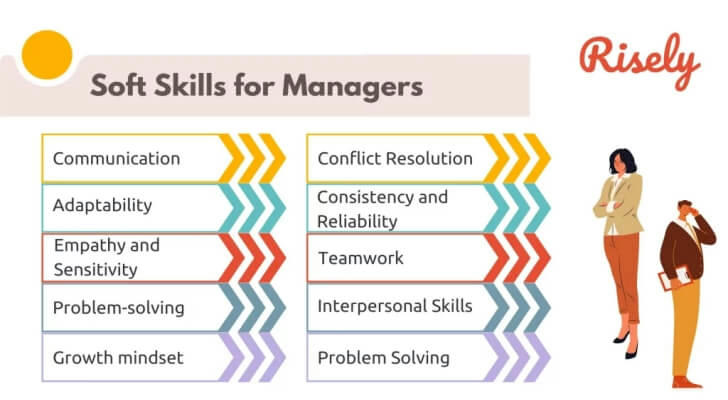
📌 Summary Table: Soft Skills in Focus
| Soft Skill | Why It Matters | How to Show It |
|---|---|---|
| Communication | Keeps teams aligned | Clear writing, active listening |
| Teamwork | Builds trust and collaboration | Shared tasks, support others |
| Adaptability | Enables response to change | Embrace new tools and systems |
| Problem-Solving | Reduces friction in workflows | Offer ideas with evidence |
| Emotional Intelligence | Enhances culture and morale | Practice empathy and patience |
| Time Management | Increases dependability | Use checklists, plan ahead |
| Work Ethic | Builds long-term reliability | Be proactive and consistent |
🧭 Final Thought
Soft skills aren't "nice to have"—they’re essential. They don’t show up on a resume as easily as degrees or certificates, but hiring managers notice them quickly in interviews and daily interactions. Mastering these interpersonal abilities isn't just about impressing someone; it's about becoming the kind of professional people want to work with, every day.
Let performance, not promises, speak the loudest.